

5 Common Mistakes Drivers Make When Buying Motor Insurance
Buying motor insurance can feel like a chore. Between comparing policies, reading fine print, and trying to save money, it’s easy to make a misstep. Too many drivers end up with coverage that doesn’t fit their needs—or worse, leaves them financially exposed when an accident happens.
Here are five common mistakes drivers make when purchasing motor insurance, and how you can avoid them.
1. Choosing the Cheapest Policy Without Reading the Fine Print
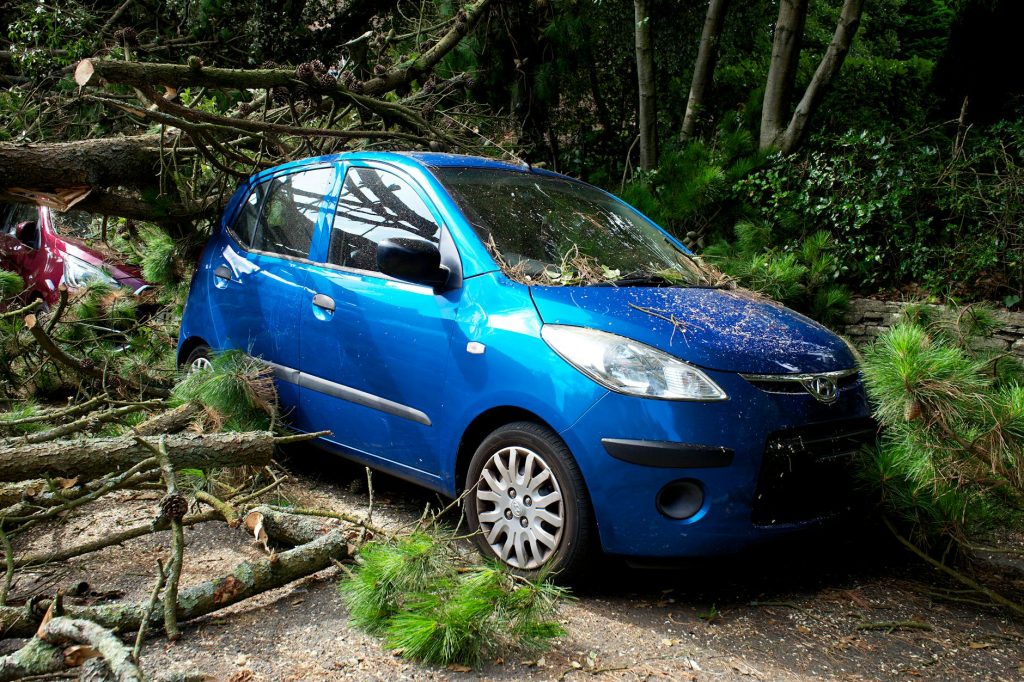
Everyone loves a bargain. But selecting the lowest-priced policy without understanding what’s excluded is a recipe for regret. A cheap premium might mean high deductibles, low liability limits, or exclusions for common incidents like windshield damage or rental car coverage.
What to do instead: Compare policies based on coverage, not just price. Look at the sum insured, add-ons, and claim settlement ratio of the insurer. A slightly higher premium can save you thousands if you ever need to file a claim.
2. Underinsuring the Vehicle’s Value
When you buy motor insurance, the “Insured Declared Value” (IDV) matters. Many drivers try to lower their premium by reducing the IDV—the maximum amount the insurer will pay if the car is stolen or written off.
The problem: If you understate the IDV to save a few hundred dollars, you’ll receive far less than the car is worth in a total loss. In a worst-case scenario, you might not even have enough to replace the vehicle.
What to do instead: Estimate the IDV based on the manufacturer’s current market value and the age of your car. Don’t arbitrarily reduce it to cut costs. Remember: you get what you pay for.
3. Skipping Add-On Covers That Actually Matter
Basic third-party or comprehensive policies don’t cover everything. Common add-ons like engine protection, zero depreciation cover, roadside assistance, and personal accident cover are often overlooked.
Why it’s a mistake: Without zero depreciation cover, you’ll pay a percentage of repair costs out of pocket. Without engine protection, a flooded engine could mean a huge bill. These situations happen more often than drivers expect.
What to do instead: Assess your driving environment. Do you live in an area prone to floods? Get engine protection. Do you drive long distances regularly? Add roadside assistance. Treat add-ons as essential tools, not upsells.
4. Not Disclosing Previous Claims or Modifications
Honesty is the best policy when buying motor insurance. Some drivers fail to mention past claims, modifications (like engine upgrades, alloy wheels, or aftermarket accessories), or changes in usage (from personal to commercial).
The risk: If your insurer discovers undisclosed information after a claim, they can deny your claim entirely. They may even cancel the policy and refuse future coverage.
What to do instead: Be transparent. List all modifications and declare any history of claims. The premium might be slightly higher, but your coverage will be valid when you need it most.
5. Buying Insurance Last-Minute or Letting It Lapse
A surprising number of drivers wait until the last day—or later—to renew their motor insurance. Others let the policy lapse for a few weeks to save money.
Why this is dangerous: A gap in coverage means you’re driving uninsured, which is illegal in most places. Even a short lapse can lead to higher premiums when you buy a new policy. Some insurers also require a physical inspection of the car after a gap, adding delays.
What to do instead: Set a reminder at least 30 days before your policy expires. Renew early or compare options well in advance. Many insurers offer discounts for early renewal, and you’ll avoid the stress of last-minute decisions.
Final Thoughts: Avoid These Mistakes and Drive Confident
Buying motor insurance doesn’t have to be a gamble. By avoiding these five pitfalls—chasing the lowest price, underinsuring your car, skipping valuable add-ons, hiding information, and letting coverage lapse—you can secure peace of mind on the road.
Take 15 minutes to review your current policy. Ask questions, read the terms, and make sure you’re covered for what matters most. Your future self (and your wallet) will thank you.
Have you ever made any of these mistakes? Share your experience in the comments below—and help other drivers stay protected.