
Navigating the Road: A Guide to the Types of Motor Insurance
Driving offers freedom and convenience, but it also comes with responsibilities. One of the most important is ensuring you have the right motor insurance. Whether you are a new driver or a seasoned road warrior, understanding the different types of motor insurance is crucial. It protects you financially and keeps you compliant with the law. Let’s break down the main options so you can make an informed choice.
The Foundation: Third-Party Only Insurance
Third-party only (TPO) insurance is the most basic and legally required type of cover in many places. As the name suggests, it protects you against claims made by a third party—someone else involved in an accident you cause.
What does it cover?
- Damage to another person’s vehicle or property.
- Injury to another person (including passengers in your car).
- Legal costs associated with defending a third-party claim.
What does it NOT cover?
- Damage to your own vehicle.
- Theft or fire damage to your car.
- Personal injury to you, the driver.
TPO is often the cheapest option. It is a good fit for older cars with a low market value, where repairing the vehicle might cost more than it is worth. However, it leaves you vulnerable if your own car is damaged or stolen.
The Middle Ground: Third-Party, Fire & Theft
Stepping up from basic TPO is Third-Party, Fire & Theft (TPFT) insurance. This policy includes everything that TPO covers, plus protection against two specific risks to your own vehicle.
Key additions with TPFT:
- Fire damage: If your car catches fire due to an accident, vandalism, or an electrical fault, the insurer will pay for repairs or write-off value.
- Theft: If your car is stolen, you can claim its market value (minus any excess).
TPFT is a popular middle-ground choice. It offers more peace of mind than TPO without the full cost of comprehensive cover. It is particularly useful for drivers in areas with higher theft rates or for vehicles that are moderately valuable but not brand new.
The Gold Standard: Comprehensive Insurance
Comprehensive insurance is the most extensive type of motor insurance available. It covers everything that TPO and TPFT do, and adds protection for your own vehicle, regardless of who is at fault.
What comprehensive insurance covers:
- All TPO and TPFT benefits.
- Damage to your own car from an accident (even if you are at fault).
- Theft and fire (redundant if already covered, but included).
- Vandalism and malicious damage.
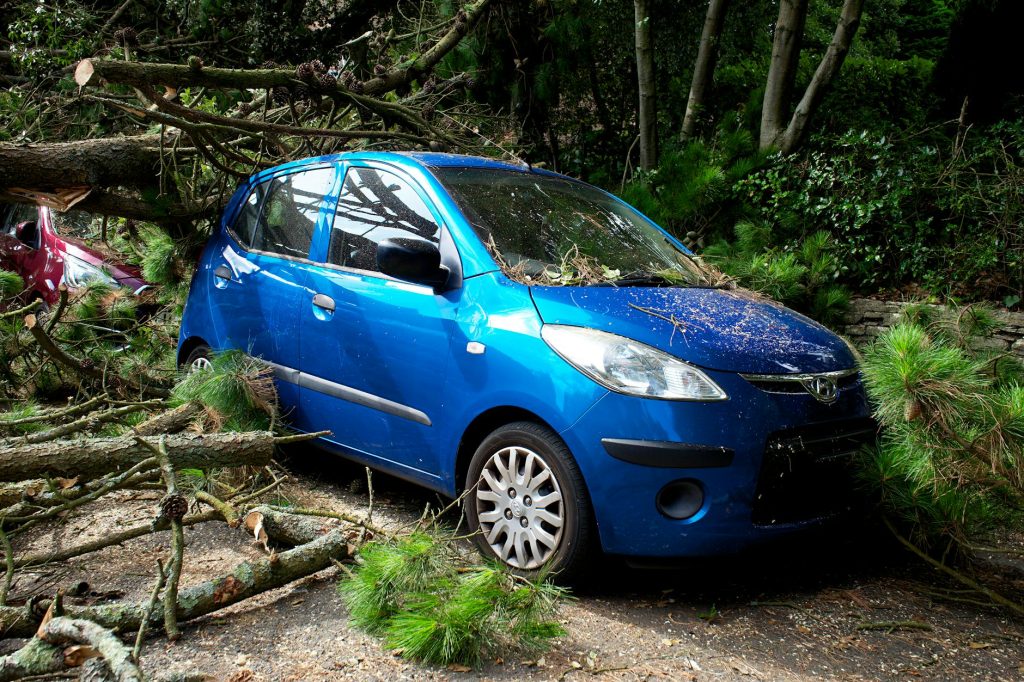
- Falling objects, storms, floods, and other weather-related damage.
- Windscreen and window damage (often with no excess).
- Personal injury cover for you and your passengers.
- Courtesy car (while yours is being repaired, subject to policy terms).
Why choose comprehensive?
This is the best choice for:
- New or expensive cars: The cost of repairs or replacement is high.
- Financed or leased vehicles: Lenders often require comprehensive cover.
- Drivers who want maximum protection: It gives you the most peace of mind.
Comprehensive insurance is usually the most expensive option, but the additional features can be invaluable in a serious incident.
Specialized Types of Motor Insurance
Beyond the core three, there are policies designed for specific needs.
1. Temporary or Short-Term Insurance
This is a flexible option for borrowing a car, test-driving a vehicle, or covering a gap between policies. It is available from one day up to 28 days and provides either TPFT or comprehensive cover for that short period.
2. Classic or Vintage Car Insurance
Standard policies don’t suit classic cars. Specialist insurers offer:
- Agreed value: The car is insured for a set, agreed price (often based on valuation).
- Limited mileage: You specify how many miles you’ll drive per year.
- Specialist repairers: Cover for using experts who can restore the vehicle.
3. Fleet Insurance
Designed for businesses that own multiple vehicles. A single policy covers several cars, vans, or trucks. This usually reduces the cost per vehicle and simplifies administration.
4. Learner Driver Insurance
A short-term policy that allows a learner driver to practice in a parent’s or friend’s car. It typically covers the learner for a specific period without affecting the main policyholder’s no-claim discount.
5. Multi-Car Insurance
One policy that covers two or more cars owned by the same household. It often offers a discount compared to insuring each car separately.
How to Choose the Right Policy
Picking the right type of motor insurance depends on several factors:
- Your car’s value: A cheap, older car may only need TPO. A new or valuable car needs comprehensive cover.
- Your risk tolerance: Are you willing to pay for repairs yourself if you have an accident? If not, choose comprehensive.
- Your budget: TPO is cheapest, but comprehensive offers the best value for many drivers.
- Legal requirements: Ensure the policy meets your country’s minimum legal cover (usually third-party).
Final Thoughts
Understanding the types of motor insurance is the first step to protecting yourself and your finances on the road. Do not simply choose the cheapest option. Evaluate your car’s value, your driving habits, and how much risk you are comfortable carrying. Whether you go for basic TPO, balanced TPFT, or full comprehensive cover, the right policy provides a safety net when you need it most. Drive safe, and stay covered.