

Navigating the Roads with Confidence: A Guide to PSV Insurance in Kenya
For millions of Kenyans, PSV insurance isn’t just a legal formality; it’s the invisible safety net that keeps the country moving. Whether you operate a matatu, a taxi, or a long-distance bus, understanding the specifics of Public Service Vehicle insurance is crucial for your financial security and legal compliance.
What is PSV Insurance?
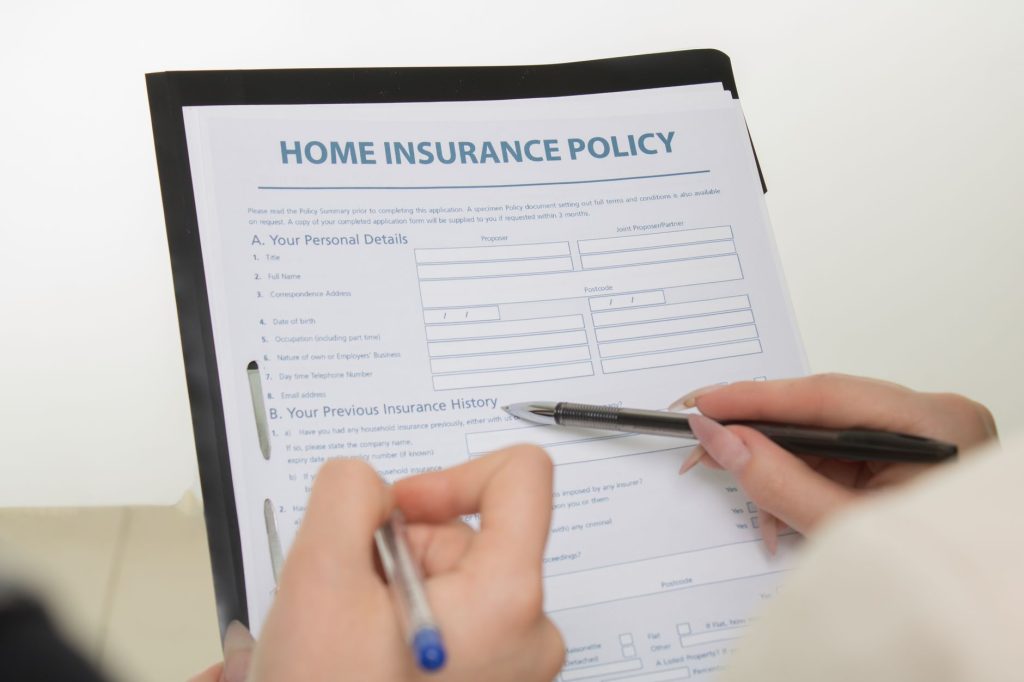
Public Service Vehicle (PSV) insurance is a specialized policy designed for vehicles that carry passengers for a fee. Unlike standard private car insurance, PSV cover accounts for higher occupancy rates, increased mileage, and the unique risks associated with transporting fare-paying passengers.
In Kenya, the National Transport and Safety Authority (NTSA) mandates that every PSV must have a valid insurance policy before it can be licensed to operate on public roads.
The Mandatory Covers You Need to Know
Before a PSV can legally hit the road, it must carry specific minimum levels of coverage. Here’s what the law requires:
- Third-Party Only: This is the minimum legal requirement. It covers damage to other people’s property and injury to third parties (passengers and pedestrians) but does not cover damage to your own vehicle.
- Third-Party, Fire & Theft: A slight upgrade, this policy covers third-party liabilities plus damage to your own vehicle caused by fire or theft.
- Comprehensive PSV Cover: Offers the broadest protection. It includes all third-party benefits and covers damage to your own vehicle, regardless of fault (subject to policy terms and excess).
While mandatory cover is the bare minimum, most transport operators quickly realize that comprehensive coverage is a business necessity.
Why Standard Car Insurance Won’t Work
A common mistake is assuming a private car insurance policy can cover a vehicle used as a PSV. This assumption is dangerous for two primary reasons:
- Void Claims: If you operate an unauthorised PSV route or use a private vehicle for public transport, your insurer will almost certainly reject any claim.
- Inadequate Cover: Private policies do not account for the high passenger toll rates, daily wear and tear, or the higher probability of accidents associated with public service vehicles.
Using the wrong policy means you are driving without financial protection.
Key Risks Covered by PSV Insurance
A robust PSV insurance policy in Kenya typically covers these specific, high-risk scenarios:
- Passenger Liability: Medical expenses and legal fees if a passenger is injured or dies.
- Third-Party Property Damage: Repairing other vehicles or infrastructure (like a building or a guardrail) damaged in an accident.
- Goods in Transit: Compensation for passengers’ luggage that is lost or damaged.
- Riots and Strikes: Coverage for damage caused by civil commotions (depending on the policy).
- Legal Costs: Fees for defending the driver and owner in case of a lawsuit following an accident.
How to Choose the Right PSV Insurance Policy
Choosing the right provider involves more than just comparing premiums. Follow this checklist:
- Check the Insurer’s Reputation: Look for companies with a strong track record in the transport sector. Read online reviews and ask other operators about their claims experience.
- Understand the Excess: This is the amount you pay out of pocket before the insurer steps in. Lower premiums often come with higher excesses. Choose an excess you can realistically pay.
- Assess the Claim Process: A quick and transparent claims process is vital in the PSV business. Ask the insurer about their estimated turnaround time for settling claims.
- Verify NTSA Compliance: Ensure the policy meets the specific PSV regulations outlined by NTSA. If in doubt, ask the insurer for a compliance checklist.
- Consider Optional Extras: If you operate a high-value PSV (e.g., a shuttle or tourist van), consider adding extras like windscreen cover, medical expenses cover for the driver, or agreed value cover.
The Cost Factor: Premiums and Factors
The cost of PSV insurance in Kenya varies significantly depending on several factors:
- Vehicle Type: A small taxi will cost less to insure than a 52-seater bus.
- Vehicle Age: Older vehicles often attract higher premiums due to a higher risk of mechanical failure.
- Claims History: A clean driving record reduces your premium significantly. A history of claims will make you a higher risk.
- Route: Insurers assess risk based on the specific route, considering road conditions and accident statistics.
- Security Features: Vehicles with immobilizers, GPS trackers, and dashcams may qualify for a discount.
Final Thoughts: Invest in Your Protection
Running a PSV in Kenya is a high-touch business. You are responsible for the safety of your passengers, the integrity of your vehicle, and the livelihoods of your crew.
Investing in the correct PSV insurance is not an expense—it is an investment in the continuity of your business. The cost of a single uninsured accident can wipe out years of hard work. A comprehensive policy, while seemingly more expensive upfront, ensures that you can recover quickly and return to the road with confidence.
Get quotes from at least three reputable insurers, read your policy document carefully, and never drive without valid cover. Safe driving and proper insurance are the two wheels that keep your business moving forward.