
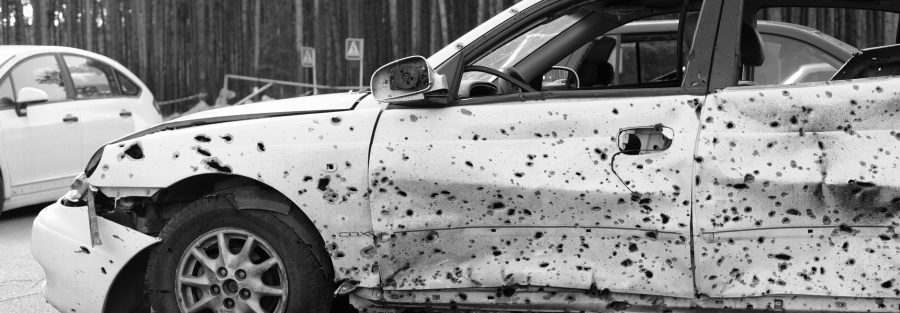
What to Do Immediately After a Car Accident
A car accident can be a jarring, disorienting experience. Your heart races, your mind scrambles, and you might not know the first step to take. Knowing what to do in the moments after a collision can protect your health, your legal rights, and your insurance claim.
Here is a clear, step-by-step guide on what to do immediately after a car accident.
1. Stay at the Scene
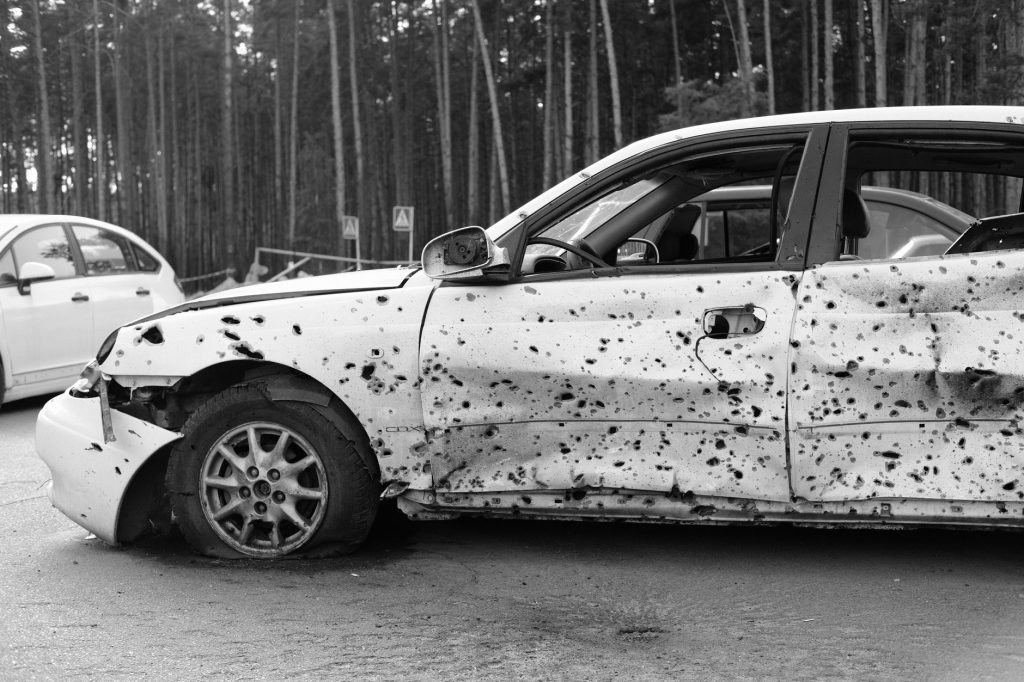
Never leave the scene of an accident, no matter how minor. In most jurisdictions, leaving is a crime (hit-and-run). Pull over to a safe location if possible—the shoulder, a nearby parking lot, or out of traffic flow. Turn on your hazard lights to alert other drivers.
2. Check for Injuries
Before anything else, assess yourself and your passengers. Are you bleeding? Do you feel dizzy, nauseous, or in pain? If anyone is injured, call 911 immediately.
- Do not move an injured person unless there is an immediate danger (like a fire).
- Let medical professionals handle spinal injuries.
- Even if you feel fine, injuries like whiplash or internal bleeding can appear later. It’s best to get checked out.
3. Call the Police
Even if the accident seems minor, call the police. A police report provides an official, unbiased record of the incident. This is critical for insurance claims and liability disputes.
When the officer arrives:
- Provide your license, registration, and proof of insurance.
- Give a concise, factual statement: “I was stopped at the red light when the other car hit me.” Do not speculate or admit fault. Phrases like “I’m sorry” or “I didn’t see you” can be used against you later.
If the other driver flees the scene, call 911 with as many details as possible: license plate number, vehicle make/model/color, direction of travel, and driver description.
4. Exchange Information
With the other driver, calmly exchange the following:
| What to Exchange | Details |
|---|---|
| Full Name & Contact | Phone number, email address. |
| Driver’s License Number | Take a photo of their license. |
| Vehicle Plate Number | State and plate number. |
| Insurance Details | Company name, policy number, agent contact. |
| Vehicle Description | Make, model, color, year. |
Do not argue about who is at fault. Stick to exchanging factual information.
5. Document the Scene (If Safe)
Use your phone camera to capture evidence. Take photos from multiple angles:
- The position of both vehicles (wide shots and close-ups)
- Damage to all vehicles (bumpers, headlights, fenders)
- The surrounding area (road signs, traffic lights, weather conditions)
- Skid marks or debris on the road
- Any visible injuries (even minor bruises)
Also note:
- Time and date of the accident
- Street names or mile markers
- Weather and road conditions
- Names and badge numbers of responding officers
6. Talk to Witnesses
If anyone saw the accident, get their name and phone number. An independent witness can be invaluable if there is a dispute over fault. Ask them: “What did you see?” and write down their exact words.
7. Contact Your Insurance Company
Report the accident to your insurer as soon as possible—ideally within 24 hours. Most policies require prompt notification.
When you call:
- Provide the police report number.
- Give the other driver’s insurance information.
- Be honest but stick to the basic facts. Do not guess or speculate.
Your insurance company will open a claim, assign an adjuster, and explain the next steps (e.g., getting a rental car, arranging for repairs).
8. Seek Medical Attention
Even if you feel fine, see a doctor or visit an urgent care clinic within 24–48 hours. Some injuries, like whiplash, concussions, or internal bleeding, don’t show symptoms immediately.
- Keep all medical records and bills.
- Follow your doctor’s treatment plan.
- This documentation is critical for any injury claims.
9. Protect Your Rights
Do not sign any document from the other driver’s insurance company without consulting an attorney—especially a release of liability or settlement offer. These often waive your right to seek further compensation later.
If you are injured or the accident involves significant damage or a dispute over fault, consider consulting a personal injury lawyer. Most offer free consultations.
10. Handle Your Emotional Health
A car accident can be traumatic. It’s normal to feel anxious, angry, or overwhelmed. Give yourself time to recover. If you experience ongoing anxiety, flashbacks, or trouble sleeping, talk to a mental health professional.
Final Checklist (Print and Keep in Your Glovebox)
- [ ] Stay at the scene
- [ ] Check for injuries
- [ ] Call 911 / police
- [ ] Exchange information
- [ ] Photograph evidence
- [ ] Get witness contacts
- [ ] Call insurance company
- [ ] See a doctor
- [ ] Keep all records
- [ ] Get legal advice if needed
Knowing what to do immediately after a car accident makes a chaotic situation manageable. Stay calm, follow these steps, and protect yourself both physically and legally.